 LYNXSPACE
Programme · Fixed-wing VTOL UAV
SHADOWLYNX
Fixed-wing VTOL platform designed for extended atmospheric data collection, aerial imaging and autonomous mission profiling over remote terrain.
| Class | Fixed-wing VTOL UAV |
|---|---|
| Airframe | Composite fibre |
| Guidance | Fully autonomous, no pilot required |
| Wingspan | Not yet specified |
| Endurance | Not yet specified |
| Stage | Pre-prototyping |
Programme
Nothing has been built yet
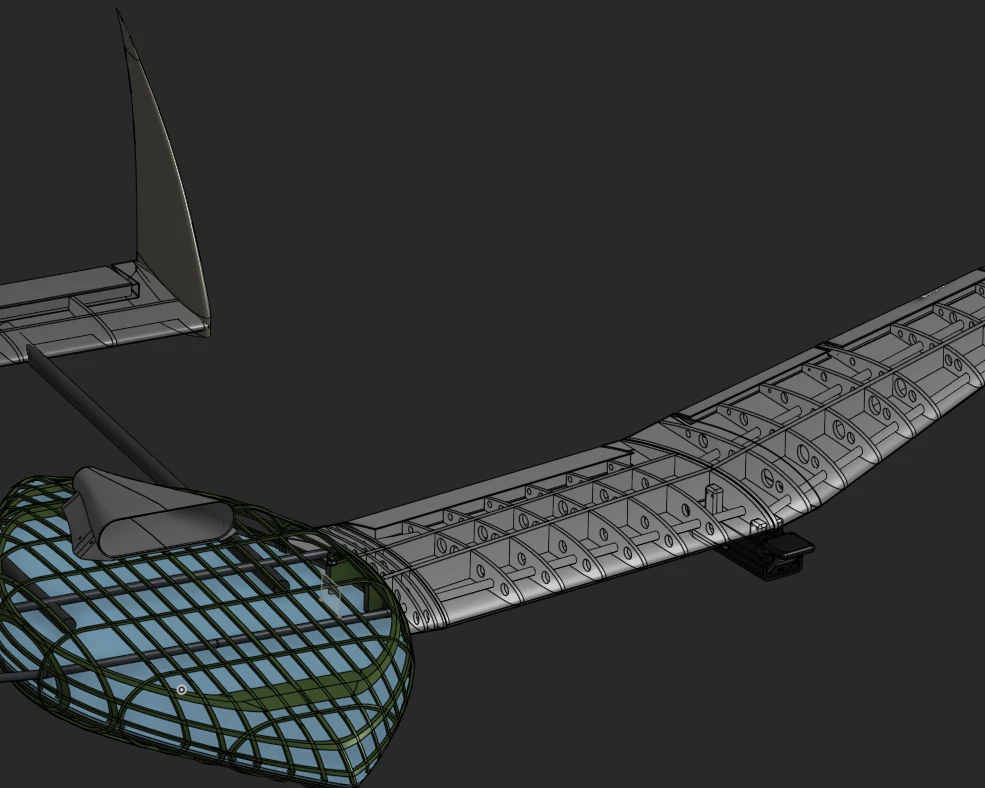
ShadowLynx is at pre-prototyping. The airframe geometry, the mass budget and the propulsion are not frozen, so this page carries no wingspan, no maximum take-off weight, no motor, no battery, no speed and no endurance. Those rows say so instead of carrying an estimate.
What is settled is the architecture: a fixed-wing airframe with vertical take-off and landing, a composite structure, and a guidance stack built on a custom flight controller with waypoint navigation, MagNav, geofencing and a SATCOM downlink. The aircraft is designed to fly completely autonomously, with AI reasoning integrated into that flight controller. Those rows are on the sheet because they record decisions rather than measurements.
Mission
What it is designed to carry
The payload bay is interchangeable, so the sensor set is what decides the mission.
Design missions are atmospheric profiling, aerial imaging, search and rescue, defence and payload delivery, at low to medium altitude over extended mission windows. Telemetry runs over SATCOM with a line-of-sight link alongside it, and the ground station keeps a manoeuvring override.
The bay is a hot-swap fitting: a gimbal-stabilised camera, an atmospheric package reading pressure, temperature, humidity, radiation and wind, or an experimental electronics payload. Payload capacity is one of the ten values still to be specified, and it is the one that decides which of those can fly together.
Reference sheet
ShadowLynx V1 specification
| Configuration | Fixed-wing VTOL |
|---|---|
| Material | Composite fibre |
| Wingspan | Not yet specified |
| Fuselage length | Not yet specified |
| MTOW | Not yet specified |
| Motor | Not yet specified |
|---|---|
| Battery | Not yet specified |
| Cruise speed | Not yet specified |
| Max speed | Not yet specified |
| Endurance | Not yet specified |
| Autopilot | Custom flight controller and firmware, with integrated AI reasoning |
|---|---|
| Navigation | Waypoints, MagNav, geofencing |
| GNSS | Multi-band |
| Telemetry | SATCOM and line-of-sight link |
| Ground station | Line-of-sight manoeuvring override |
| Payload bay | Hot-swap, interchangeable |
|---|---|
| Imaging | Gimbal-stabilised camera |
| Atmospheric | Pressure, temperature, humidity, radiation, wind |
| Payload capacity | Not yet specified |
| Video | Not yet specified |
The split between the full tables and the empty ones is not arbitrary. Everything settled on paper is here; everything that needs an airframe to exist is not. No row has been deleted and no value has been estimated.
Development
Four steps to V2
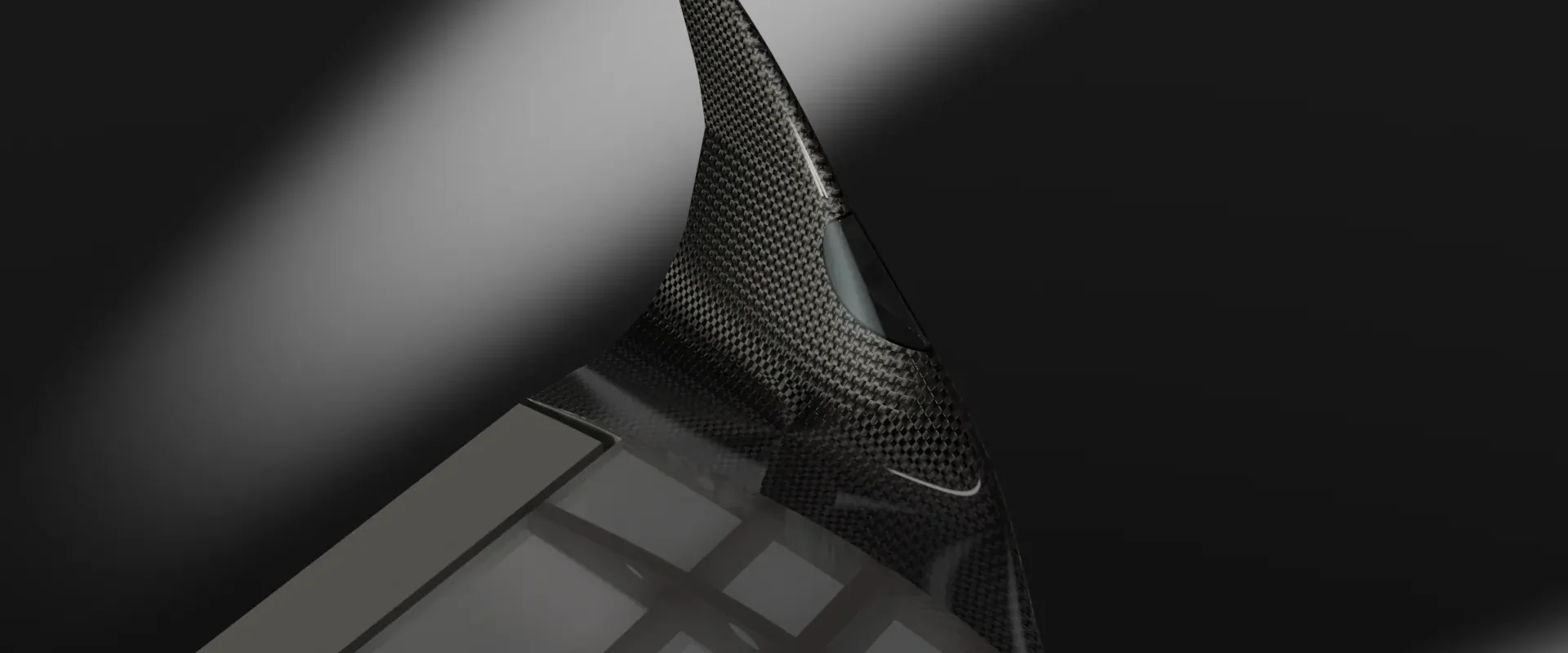
Nothing on this timeline is complete. The first step is the one that produces hardware of any kind.
- 2026Next
Airframe validation
An EPP prototype to check wing geometry, the centre of gravity envelope and manual handling at low speed. Not the composite airframe: the first ShadowLynx of any kind.
- 2027Planned
Autopilot integration
Avionics testing for autonomous integration, with FPGA work alongside it.
- 2027Planned
Autonomous waypoints
A full automatic mission: GPS waypoints, MagNav validation, return to launch and geofence observation.
- 2028Planned
V2
Full systems integration, greater autonomy and research capability.
Contact
The airframe is not frozen
ShadowLynx is at the stage where a payload or a mission profile can still change the aircraft. If you need something specific measured, imaged or carried, the geometry is still open.